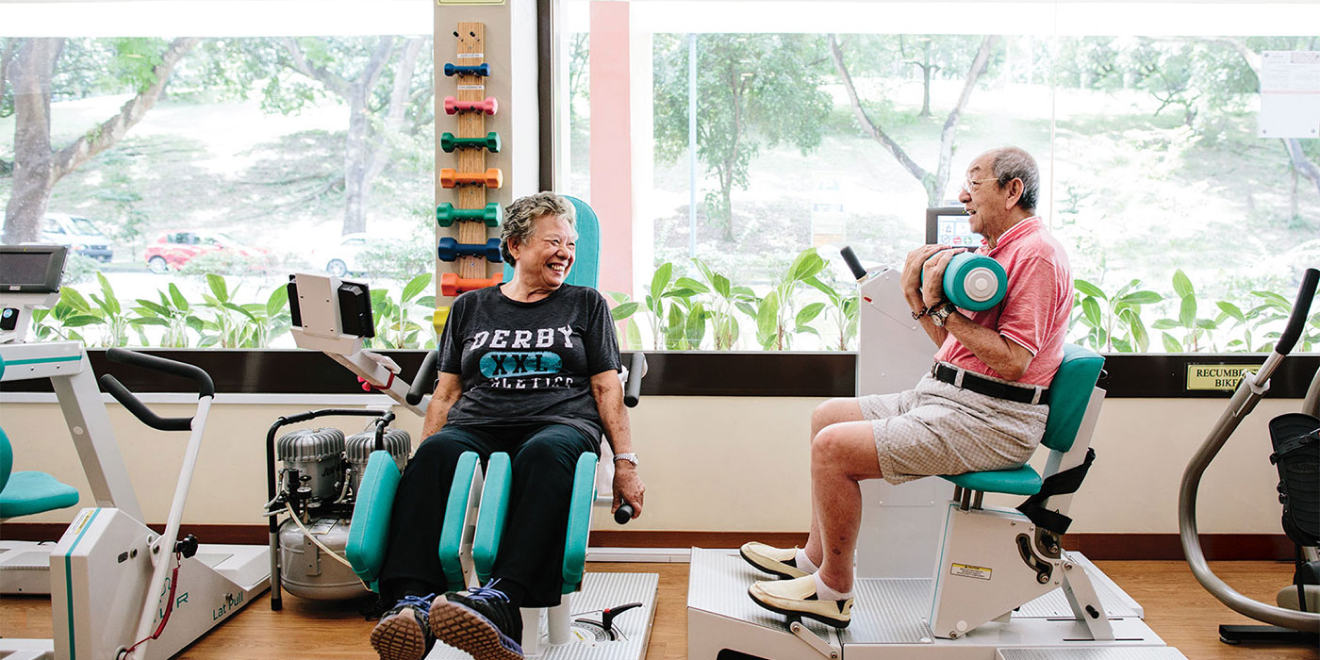
The idea of a gym membership Singapore is often associated with young professionals, athletes, or fitness enthusiasts. However, an increasing number of seniors in Singapore are recognising that regular exercise is a crucial part of healthy ageing. With the nation’s ageing population on the rise, fitness clubs are introducing senior-friendly memberships that focus on longevity, mobility, and overall quality of life.
For older adults, joining a gym is not about chasing athletic milestones. It is about preventing age-related decline, staying independent, and enjoying social connections that come with an active lifestyle.
Why Seniors Benefit from Structured Fitness
Ageing brings natural changes to the body. Muscle mass decreases, bone density weakens, and metabolism slows. Seniors who adopt structured fitness programmes are better equipped to counter these effects.
A gym membership offers more than equipment access. It provides an environment where seniors receive guidance from trained staff, access to tailored classes, and facilities that make exercise safe and effective.
Health Benefits for Seniors
-
Improved cardiovascular health through low-impact workouts
-
Maintenance of muscle mass and bone strength
-
Enhanced flexibility, balance, and coordination
-
Reduced risk of chronic illnesses such as diabetes and hypertension
Beyond physical benefits, regular gym attendance also supports mental health, reducing risks of depression, cognitive decline, and social isolation.
Active Ageing as a National Priority
Singapore has actively promoted active ageing as part of its healthcare strategy. Seniors are encouraged to remain physically active, socially engaged, and mentally alert. Gym memberships play an important role in achieving this vision by providing safe spaces where seniors can pursue these goals.
Programmes tailored for older adults help ensure participation is not intimidating. Group classes, senior-specific workouts, and trained staff all contribute to building confidence among older members.
Common Misconceptions About Seniors in Gyms
One reason many seniors hesitate to join gyms is the perception that they are designed only for young or athletic individuals. In reality, most modern gyms in Singapore offer dedicated programmes for seniors.
Misconceptions and Truths
-
Myth: Gyms are unsafe for seniors.
Truth: With supervision and low-impact classes, gyms can be safer than unsupervised outdoor activities. -
Myth: Seniors are too weak for weight training.
Truth: Strength training is one of the best ways to preserve muscle mass and bone density in older adults. -
Myth: It is too late to start exercising after 60.
Truth: Research shows that seniors can improve mobility, endurance, and strength regardless of when they begin.
By addressing these misconceptions, more seniors are encouraged to explore memberships.
Types of Senior-Friendly Fitness Classes
Many gyms in Singapore now provide classes designed specifically for seniors. These cater to different fitness levels and focus on safe, sustainable progress.
-
Low-Impact Aerobics: Gentle movements to improve heart health without strain.
-
Resistance Band Training: Light resistance work to preserve strength.
-
Balance and Mobility Sessions: Exercises aimed at fall prevention.
-
Aqua Fitness: Water-based exercises that reduce stress on joints.
-
Yoga and Stretching Classes: Focused on flexibility and relaxation.
By offering a mix of options, memberships allow seniors to explore and find what works best for their bodies.
The Social Value of Gym Memberships for Seniors
For older adults, fitness is not only about health. Social interaction plays an equally important role. Many seniors find gyms to be vibrant communities where they can meet peers, share experiences, and stay motivated.
Loneliness is a growing concern among seniors, especially those who have retired. Attending regular classes provides structure to daily routines and helps build friendships. This social support improves mental health and encourages long-term consistency.
Safety Measures and Professional Support
Seniors often worry about injuries when considering gym memberships. Professional support addresses this concern. Many gyms in Singapore offer:
-
Health screenings before starting programmes
-
Personal trainers specialising in senior fitness
-
Equipment designed for safer use
-
Emergency response readiness in case of medical needs
Such measures provide peace of mind for seniors and their families, making memberships a reliable choice.
Family-Oriented Memberships That Include Seniors
Some families in Singapore are opting for multi-generational memberships, where seniors train alongside younger family members. This promotes bonding while ensuring older relatives remain active.
For seniors, exercising with family members often adds an extra layer of motivation. Parents and grandparents feel supported, while younger generations benefit from witnessing healthy ageing in practice.
Longevity and Disease Prevention
The long-term benefits of a gym membership for seniors extend beyond daily fitness. Exercise has been proven to reduce the risk of serious health conditions such as stroke, heart disease, and osteoporosis. It also improves immune response, which is essential for maintaining resilience as the body ages.
Regular activity delays frailty, helping seniors maintain independence in daily activities such as walking, lifting, and even playing with grandchildren. In a society that values independence, this becomes a key reason why many older adults choose to commit to memberships.
Economic Benefits of Preventive Fitness
Healthcare costs in Singapore are rising, particularly for age-related conditions. Preventive measures such as fitness memberships can help reduce long-term expenses by lowering the likelihood of hospital visits, surgeries, or extended medication.
A gym membership, when viewed economically, is an investment. The upfront monthly cost is often much lower than the medical expenses that arise from inactivity. Seniors who remain fit are less likely to need costly treatments later in life.
Real-Life Senior Journeys
Consider a 68-year-old retiree who starts attending balance and mobility classes twice a week. Within months, she notices improved posture, reduced joint pain, and better sleep quality.
Another example is a 72-year-old who begins strength training under supervision. Over time, his bone density improves, reducing his risk of fractures. Both cases demonstrate how memberships can deliver tangible benefits for seniors regardless of when they begin.
How Seniors Can Get Started
Seniors considering a membership should take a gradual and informed approach:
-
Consult with a doctor before starting new programmes
-
Begin with low-impact activities before progressing
-
Use supervised sessions for safety
-
Choose gyms with senior-friendly classes and equipment
-
Focus on consistency rather than intensity
With the right support, seniors can ease into gym culture without fear.
Choosing the Right Senior Membership
When evaluating options, seniors and their families should ask:
-
Does the gym provide senior-specific classes?
-
Are trainers qualified to work with older adults?
-
Is the location convenient for regular visits?
-
Are facilities accessible, with safe equipment and supportive staff?
-
Does the membership allow flexibility for health-related breaks?
For those looking to stay active in later years, TFX Singapore offers diverse classes, professional guidance, and facilities that support active ageing across all fitness levels.
FAQs
Q. Is it safe for seniors to lift weights at the gym?
Yes, with proper supervision and gradual progression, strength training is one of the safest and most effective ways for seniors to maintain health.
Q. Do gyms in Singapore offer discounts for seniors?
Some gyms provide reduced rates or special packages for seniors. Always check with the club before signing up.
Q. Can seniors with chronic conditions join a gym?
Yes, but they should first consult their doctors. Many gyms offer customised programmes to accommodate specific health conditions.
Q. What is the best type of class for beginners above 60?
Low-impact classes such as aqua fitness, stretching, or resistance band training are excellent starting points.
Q. How often should seniors go to the gym?
Two to three sessions per week is ideal for beginners. Over time, seniors can increase frequency depending on comfort and health status.
