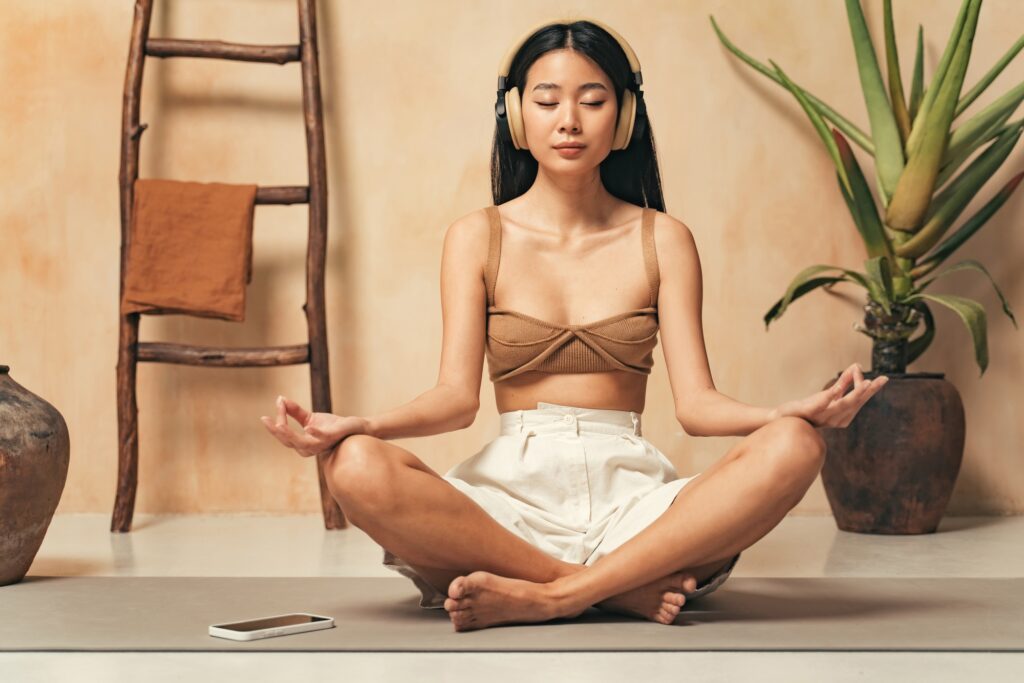
Wellness isn’t just the absence of disease—it’s a dynamic and holistic process of becoming aware of and making choices toward a healthy, balanced, and fulfilling life. As global health research, consumer behavior, and wellness trends evolve, the concept of wellness has expanded to encompass multiple dimensions. Below we explore not just what wellness means nowadays, but also how to approach it practically across all its facets with evidence-based habits.
1. What is Wellness?
Wellness is broadly defined as an active, conscious process through which people become aware of, and make choices toward, a more successful existence. It includes multiple dimensions beyond physical health—such as emotional, intellectual, social, spiritual, occupational, environmental, and financial wellness. These dimensions are mutually interdependent; neglecting one tends to affect others.
Wellness is not static—it evolves with life circumstances, age, culture, environment. What works in one season of life may need replanning in another.
2. Why Wellness Matters Today
- The global wellness economy has surged; by 2023 it had reached about USD 6.3 trillion, accounting for roughly 6% of global GDP. Projections estimate continued growth at over 7% annually through 2028.
- Consumers—especially Millennials and Gen Z—are increasingly prioritizing wellness in daily life, expecting scientific validity, transparency, personalization, and tech-based solutions.
- As stress, lifestyle diseases, mental health challenges, and environmental concerns rise globally, wellness has become essential not only for individual fulfillment but also public health and societal productivity.
3. The Dimensions of Wellness
Below are the eight key dimensions of wellness and how to cultivate each in practical, scientifically-informed ways.
Physical Wellness
What it is:
Physical wellness means maintaining physical health through exercise, proper nutrition, adequate sleep, preventive healthcare, and avoiding harmful habits.
Why it’s essential:
Physical wellness reduces the risk of chronic diseases, improves stamina, boosts immune function, enhances mood, supports cognitive health, and increases lifespan.
How to improve:
- Regular physical activity: Aim for at least 150 minutes of moderate aerobic activity or 75 minutes of vigorous activity weekly, plus strength training two times per week.
- Sleep hygiene: Maintain consistent sleep schedule, optimize room environment (dark, cool, quiet), limit screens before bed.
- Nutrition: Prioritize whole foods, balanced macronutrients, adequate hydration, mindful eating.
- Preventive care: Regular checkups, screenings, immunizations.
- Avoid risky behaviors: Limit substance use, tobacco; moderate alcohol; maintain healthy body weight.
Emotional Wellness
What it is:
Emotional wellness means being aware of, accepting, and managing your feelings in healthy ways. It involves resilience, stress management, and being able to adapt to life’s challenges.
Why it’s essential:
Emotional wellness supports mental health, reduces symptoms of anxiety and depression, improves relationships, enhances decision-making, and helps in physical health (stress-reduced physiology has wide benefits).
How to improve:
- Mindfulness and self-reflection: Journaling, meditation, breathing exercises.
- Gratitude practices: Noting things you’re thankful for regularly.
- Seek support: Talking with trusted friends/family, counselors, or therapists.
- Manage stress proactively: Time management, setting boundaries, leisure.
- Emotional literacy: Learning to identify, name, and express feelings rather than repress them.
Intellectual Wellness
What it is:
Intellectual wellness involves engaging in lifelong learning, curiosity, creativity and using your cognitive capacities. It includes challenging your mind and exposing it to new ideas.
Why it’s essential:
Intellectual stimulation keeps the mind sharp, improves problem-solving, enhances creativity, reduces risk of cognitive decline with aging, and enriches life overall.
How to improve:
- Learn new skills or languages.
- Read widely — books, articles, about subjects outside your comfort zone.
- Engage in creative hobbies — music, arts, writing, puzzles.
- Attend lectures/webinars or workshops.
- Critical thinking and debate — discuss, pose questions, analyze.
Social Wellness
What it is:
Social wellness refers to having supportive relationships, a sense of belonging, and the capacity to give and receive support.
Why it’s essential:
Strong social bonds are correlated with longer life, better mental health, lower stress, and improved immune function.
How to improve:
- Cultivate meaningful relationships — reach out to friends/family, maintain connections.
- Join community or group activities — clubs, volunteer work.
- Develop communication skills — active listening, empathy.
- Balance digital socialization with face-to-face interaction.
- Set healthy boundaries to avoid toxic relationships.
Spiritual Wellness
What it is:
Spiritual wellness is about finding purpose, values, meaning, and connection to something greater than oneself. It doesn’t necessarily mean religious practice (though for many it does).
Why it’s essential:
Spiritual wellness can provide guidance, help manage stress, enhance resilience, promote ethical behavior, contribute to deeper life satisfaction.
How to improve:
- Reflection and meditation.
- Practicing rituals that are meaningful to you (could be prayer, mindfulness, yoga).
- Service and altruism — volunteering, helping others.
- Reading philosophical, spiritual texts or poetry.
- Connecting with nature or pursuits which align with your values.
Occupational Wellness
What it is:
Occupational wellness refers to deriving satisfaction, meaning, and balance from your work or chosen life’s work.
Why it’s essential:
Having fulfilling work enhances motivation, prevents burnout, improves self-esteem, financial stability, and contributes to overall life satisfaction.
How to improve:
- Find alignment between your values, skills, and career path.
- Continuous learning & skill development.
- Work-life balance: rest, time away from work.
- Positive work relationships and supportive colleagues.
- Finding meaning in work (how your work contributes to others or aligns with personal goals).
Environmental Wellness
What it is:
Environmental wellness means living in harmony with your surroundings; respecting and protecting the planet; creating a healthy physical environment for yourself.
Why it’s essential:
Environment impacts health via air/water quality, noise, light, green spaces. A healthy environment reduces stress, improves mood, reduces risk of illness, and promotes physical activity.
How to improve:
- Clean living spaces: reduce clutter, improve ventilation.
- Spend time in nature — parks, forests, gardening.
- Sustainable choices: reduce waste, reuse, recycle.
- Reduce exposure to toxins — chemicals, pollution.
- Support eco-friendly policies/community actions.
Financial Wellness
What it is:
Financial wellness refers to feeling secure about current finances and having reasonable confidence about future financial stability.
Why it’s essential:
Financial stress is among the top causes of anxiety and health problems, affects sleep, relationships, productivity. Being financially well allows more freedom to pursue other wellness dimensions.
How to improve:
- Budgeting & tracking expenses.
- Saving & emergency fund.
- Debt management.
- Investing wisely / planning for retirement.
- Financial education to understand options and risks.
4. Emerging Trends in Wellness for 2024-2025
Wellness is not static. Some new or accelerating trends are shaping how people approach well-being:
- Science-backed wellness & consumer demand for evidence: Millennials & Gen Z expect products and services to have transparent scientific validation.
- Gut health / digestive wellness boom: People are placing greater emphasis on nutrition, microbiome, probiotics.
- Mental, emotional stability: A growing focus on stress management, emotional wellness, tools for resilience.
- Technology & personalization: Wearables, data tracking, personalized health plans.
- Sustainability & environment in wellness choices: Eco-friendly products, reducing waste, nature immersion.
- Holistic wellness over cosmetic or appearance-driven wellness: Wellness for functionality, joy, meaning.
- Integrative wellness practices: Combining ancient/traditional systems (e.g. Ayurvedic, herbal, mind-body practices) with modern science.
5. Building Your Personal Wellness Plan
Here’s a roadmap to create a wellness plan tailored to you:
- Self-assessment: Reflect on each dimension of wellness; identify strengths and areas needing attention.
- Set SMART goals: Specific, Measurable, Achievable, Relevant, Time-bound. For example, “walk 30 min 5 days” rather than “exercise more.”
- Prioritize dimensions: You don’t have to perfect all at once. Focus on 1-3 where improvements will catalyze gains in others.
- Design daily routines: Integrate habits (e.g. sleep schedule, mindfulness, movement). Consistency matters more than intensity.
- Monitor & adapt: Track your progress. If something doesn’t work, adjust. Life changes—so should your plan.
- Seek social support: Share goals with friends or join groups. Accountability and community help.
- Integrate rest & recovery: Rest days, mental breaks, vacations are part of wellness too.
6. Common Challenges & How to Overcome Them
| Challenge | How It Often Shows Up | Strategies to Overcome |
|---|---|---|
| Overwhelm / trying too many changes at once | Burnout, abandoning wellness plans | Start small; build habits gradually |
| Lack of time | Skipping exercise, fasting sleep, poor nutrition | Micro-habits; schedule wellness time; multitask (e.g. walking meetings) |
| Conflicting priorities | Work vs family vs self-care tension | Clarify values; say “no” when needed; delegate |
| Lack of resources | Not affording gym, healthy food, therapy | Use free resources; bodyweight workouts; cook at home; community support |
| Sustainability & motivation drop | Extreme diets or rigid routines that are hard to maintain | Aim for enjoyment, flexibility; allow occasional slips without guilt |
7. FAQ
Q1: Can wellness be achieved without spending a lot of money?
Yes. Many components of wellness—such as sleep hygiene, mindfulness, walking, journaling, community connections—entail little to no cost. Planning, prioritizing, and creativity can allow wellness even with limited financial resources.
Q2: How long does it take to see the benefits of wellness practices?
It depends on the dimension and consistency. Physical changes can show in a few weeks (better stamina, improved sleep). Emotional and intellectual improvements might take several weeks to months. Sustainability matters: regular small improvements over time accumulate.
Q3: Are there wellness practices that work well across multiple dimensions at once?
Absolutely. Practices such as meditation, nature walks, volunteering serve many dimensions—mental/emotional wellness, social, environmental, spiritual. Exercise supports physical, mental, emotional, and even social wellness if done in groups.
Q4: How to balance wellness with a busy schedule?
Use micro-habits: even 5-10 minutes of mindfulness, short walks, simple stretching. Prioritize sleep and rest. Block time in calendar. Combine activities (e.g. listening to podcasts while commuting).
Q5: What is the danger of pursuing wellness only for appearance?
If wellness is pursued solely for aesthetics, it may lead to neglect of emotional, spiritual, and mental health, or to disordered behaviors. True holistic wellness involves inner as well as outer well-being.
Q6: How does culture affect wellness practices?
Culture shapes values, diet, spiritual beliefs, social norms around rest and work. What defines meaning or purpose differs person to person. Integrating culturally relevant rituals or traditions enhances wellness.
Q7: When should someone seek professional help in their wellness journey?
If persistent mental health concerns (e.g. prolonged anxiety, depression), chronic stress, sleep disorders, or physical symptoms that don’t improve with self-care are present, seeking help from professionals (doctors, psychologists, therapists, nutritionists) is wise.
Conclusion
Wellness is a multidimensional, lifelong journey. It’s built not by perfection but by consistent, mindful choices across physical, emotional, intellectual, social, spiritual, occupational, environmental, and financial domains. By understanding these dimensions, keeping abreast of emerging wellness trends, creating a personalized plan, and navigating challenges wisely, anyone can cultivate a sustainable wellness lifestyle. Start today, small steps forward—your future self will thank you.
