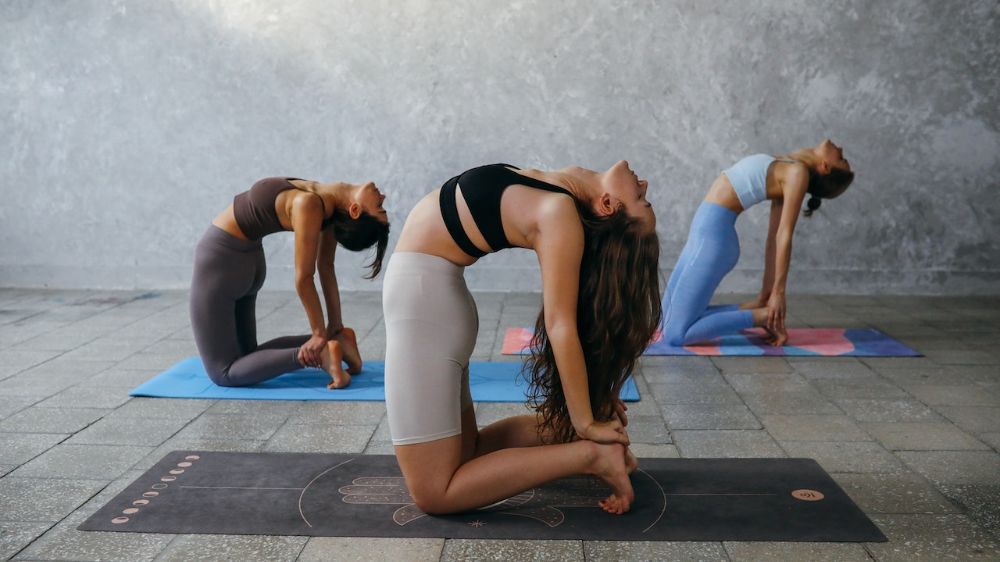
The Unique Yoga Culture in Singapore
Singapore is a city that thrives on balance, merging ancient traditions with forward-looking innovation. This unique identity is also reflected in its yoga culture. While yoga has deep roots in centuries-old practices, modern Singapore has reimagined it for a new generation of practitioners. From mindfulness classes in heritage-inspired studios to tech-driven yoga sessions streamed across devices, yoga Singapore represents a blend of respect for tradition and openness to modern solutions.
The growth of yoga here is not accidental. Singapore’s global outlook, multicultural society, and focus on holistic wellness have created an environment where both classical and experimental forms of yoga can thrive side by side.
Honouring the Traditional Foundations of Yoga
At its core, yoga is more than physical exercise. It is a philosophy and discipline that connects body, mind, and spirit. Singapore practitioners and instructors often return to these ancient teachings as the foundation of their work. Traditional practices such as pranayama (breath control), dhyana (meditation), and asanas (postures) remain central to classes, reminding practitioners of yoga’s original purpose.
Teachers trained in classical lineages ensure that the authenticity of yoga is preserved. They pass down techniques that encourage self-awareness, compassion, and discipline. This commitment to tradition allows Singapore practitioners to experience yoga in its pure form, even within a highly modernised setting.
Innovation as a Driving Force
Singapore’s strong embrace of technology and design has naturally influenced yoga. Innovative approaches allow yoga to reach wider audiences, appeal to younger demographics, and align with the fast-paced urban lifestyle of the city.
Examples of Innovation in Singapore’s Yoga Scene
-
Virtual Yoga Classes: Online platforms provide flexibility for busy professionals and those practising at home.
-
Wearable Technology: Smart devices monitor posture, heart rate, and breathing patterns during practice.
-
Immersive Experiences: Studios use ambient lighting, sound therapy, and sensory design to create deeper states of relaxation.
-
Hybrid Programmes: Blending yoga with pilates, dance, or functional training to meet diverse fitness goals.
-
Eco-Friendly Studios: Sustainable design elements such as bamboo flooring and green energy systems reflect a commitment to environmental wellness.
The Singapore Advantage: Global but Local
Singapore’s global connectivity has allowed yoga instructors to learn from different traditions around the world and bring them home. This cosmopolitan influence results in a vibrant yoga community where Indian roots blend with Western innovations and Asian wellness philosophies. At the same time, local practitioners adapt yoga to Singapore’s lifestyle, climate, and cultural sensibilities.
Yoga is often incorporated into wellness festivals, workplace programmes, and even healthcare initiatives, reflecting how the city integrates global wellness practices into daily living.
Tradition Meets Technology
One of the most remarkable aspects of yoga in Singapore is how tradition and technology coexist. For example, while practitioners may chant ancient Sanskrit mantras, they may also rely on mobile apps for guided meditations or performance tracking. This combination ensures that yoga remains relevant without losing its essence.
Studios use livestreaming and recorded classes to reach audiences who prefer flexible scheduling. Senior practitioners continue to emphasise classical values, ensuring that technology enhances, rather than replaces, the depth of yoga practice.
Corporate Wellness and Innovation
As one of Asia’s most competitive business hubs, Singapore companies are increasingly integrating yoga into workplace wellness. Traditional yoga techniques like breathing and meditation are introduced to employees through modern delivery systems such as virtual corporate classes and mobile wellness apps.
By combining ancient stress management techniques with technology-enabled access, yoga in Singapore has become a vital tool for improving productivity, creativity, and emotional resilience at work.
Yoga for Every Generation
Singapore’s yoga scene is inclusive across all ages. While younger practitioners may gravitate toward innovative forms like aerial yoga or fitness-based hybrids, older adults often prefer traditional, restorative classes. The coexistence of these options reflects how the city caters to diverse needs without diluting the essence of yoga.
Studios also offer family-friendly yoga, parent-child classes, and sessions tailored for seniors, showing how both tradition and innovation support community wellness.
Sustainability and Conscious Living
Another way Singapore is shaping yoga’s future is by linking it to sustainability and conscious consumption. Many yoga practitioners see their practice as part of a larger lifestyle of mindful living. Eco-friendly yoga mats, ethical fashion in activewear, and sustainable studio operations align with this vision.
This sustainable approach reflects both traditional yoga values of respect for the earth and modern Singapore’s focus on environmental responsibility.
The Role of Studios and Instructors
Studios and instructors are central in bridging the old and new. They honour the timeless aspects of yoga while integrating modern teaching styles and innovations. Some use music and creative sequencing to attract younger audiences, while others emphasise silent meditation and traditional chants.
Places like Yoga Edition stand out by offering accessible classes that reflect both heritage and modernity, ensuring that practitioners of all levels find a meaningful path.
Yoga in Healthcare and Rehabilitation
Healthcare in Singapore increasingly recognises yoga as a complementary therapy. Traditional techniques for improving circulation, breathing, and flexibility are now combined with modern medical insights. Hospitals and rehabilitation centres sometimes recommend yoga to patients recovering from surgery or dealing with chronic conditions. This integration demonstrates how ancient practices find a place in evidence-based healthcare.
Digital Wellness and the Future
Looking ahead, digital wellness will play a greater role in shaping yoga’s future in Singapore. Online platforms and apps will allow more people to access yoga regardless of location. Virtual reality classes, AI-guided adjustments, and interactive communities may become common features. At the same time, traditions such as pranayama and meditation will continue to anchor these innovations in authenticity.
Community and Cultural Relevance
Yoga in Singapore is not confined to studios. It extends into parks, community centres, and public spaces, making it accessible to everyone. Events that combine yoga with cultural celebrations highlight the city’s inclusive spirit. This blending of public engagement with personal practice reflects how yoga is embedded in daily life.
By maintaining cultural relevance while embracing modernity, Singapore ensures yoga will continue to evolve without losing its soul.
FAQs on Tradition and Innovation in Yoga
Q. How do Singapore yoga studios balance tradition with modern trends?
A. Many studios maintain classical practices such as pranayama and meditation while also offering innovative formats like hybrid yoga classes or virtual sessions. This balance ensures accessibility without losing authenticity.
Q. Are technology-driven yoga classes as effective as traditional ones?
A. Yes, technology expands access and convenience. However, effectiveness depends on the instructor’s ability to maintain the depth of traditional practices alongside modern tools.
Q. Can seniors benefit from innovative yoga forms?
A. Seniors often prefer traditional, slower-paced yoga, but some innovative adaptations such as chair yoga or restorative digital sessions make yoga accessible and enjoyable for older adults too.
Q. How does sustainability connect with yoga in Singapore?
A. Sustainability reflects yoga’s values of respect and harmony with the environment. Eco-friendly studios, conscious activewear, and mindful living practices are increasingly part of Singapore’s yoga culture.
Q. Will digital yoga replace in-person classes?
A. Digital yoga will not replace in-person practice but will complement it. Many practitioners enjoy the flexibility of online classes while still valuing the community and guidance of physical studios.
