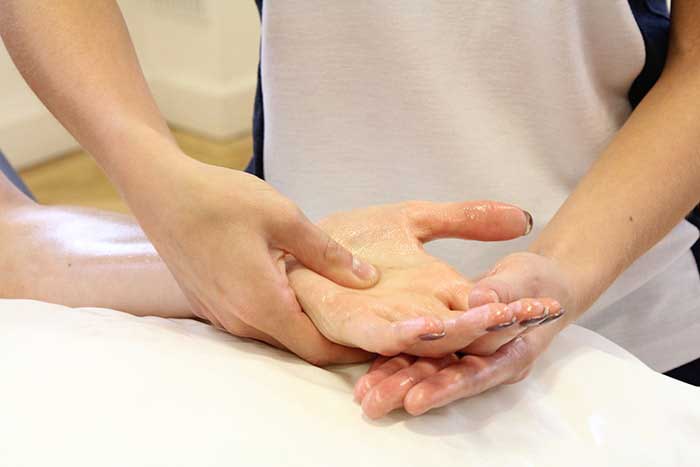
Acupressure is one of the oldest healing practices that bridges traditional medicine and modern wellness. By applying firm yet gentle pressure to specific points on the body, it can help relieve discomfort, restore balance, and promote relaxation. Unlike acupuncture, acupressure does not use needles, making it non-invasive and accessible for self-care at home.
What Is Acupressure?
Acupressure is based on the idea that the body’s vital energy, often referred to as qi, flows along pathways known as meridians. When this energy flow is blocked or unbalanced, physical or emotional discomfort may arise. Pressing certain points along these meridians can release tension, stimulate circulation, and improve the body’s natural healing abilities.
How Acupressure Works
Modern science offers several explanations for how acupressure produces effects:
- Nervous system response: Applying pressure stimulates nerve endings that send signals to the brain, releasing endorphins and reducing pain perception.
- Muscle relaxation: Pressure can release tight muscle knots and improve blood flow.
- Stress regulation: Some points calm the sympathetic nervous system, which helps reduce anxiety and improve sleep.
- Digestive and hormonal balance: Stimulation of certain points may influence gut function and menstrual discomfort.
Health Benefits of Acupressure
Acupressure has been used for centuries, but today its applications are being validated by research. Key areas where benefits are most often reported include:
Relief from Nausea and Motion Sickness
The wrist point P6 (Neiguan) is widely recognized for reducing nausea caused by motion sickness, pregnancy, or chemotherapy. Travel wristbands that press on this point are a popular non-drug option.
Headache and Migraine Management
Pressing the LI4 (Hegu) point between the thumb and index finger can ease tension headaches and reduce migraine frequency. Regular practice often brings better long-term relief.
Menstrual Pain Reduction
The SP6 (Sanyinjiao) point on the lower leg is commonly used to ease cramps and discomfort during menstruation. Many women find acupressure a useful natural alternative to over-the-counter medications.
Insomnia and Sleep Improvement
Applying pressure to the HT7 (Shenmen) point near the wrist can calm the mind and improve sleep quality. When combined with bedtime relaxation rituals, it may help people with mild insomnia.
Chronic Back Pain Relief
Daily self-acupressure sessions targeting lower back and leg points have shown benefits in reducing pain intensity and improving mobility. It’s often recommended alongside exercise and physiotherapy.
Common Acupressure Points and Their Uses
Here are some of the most effective and easy-to-locate points you can try:
- P6 (Neiguan): Inner wrist, three finger-widths below the crease; used for nausea and motion sickness.
- LI4 (Hegu): Between thumb and index finger; helps with headaches, stress, and pain relief.
- SP6 (Sanyinjiao): Inside of the lower leg, three finger-widths above the ankle; supports menstrual health and digestion.
- HT7 (Shenmen): At the wrist crease, near the pinky side; aids in sleep and anxiety relief.
- GB20 (Fengchi): At the base of the skull, in the hollow between neck muscles; useful for migraines, neck tension, and dizziness.
Step-by-Step Guide to Practicing Acupressure
- Locate the point: Use anatomical landmarks or simple finger measurements to find the exact spot.
- Apply pressure: Use your thumb, finger, or knuckle to apply steady, firm pressure. The intensity should feel strong but not painful.
- Duration: Hold the pressure for 1–3 minutes per point.
- Breathing: Combine the pressure with slow, deep breathing for better relaxation.
- Repeat: Use daily or as needed, depending on your goal (e.g., before travel, at bedtime, or during a headache).
Safety and Precautions
Acupressure is generally safe but should be practiced with awareness:
- Avoid pressing on open wounds, inflamed areas, or varicose veins.
- Pregnant individuals should avoid certain points (such as LI4 and SP6) unless supervised, as they may stimulate contractions.
- People with serious medical conditions (e.g., heart disease, uncontrolled hypertension, or recent surgery) should consult their doctor first.
- Always treat acupressure as complementary, not a replacement for medical care.
Professional Support
While self-care is possible, a licensed acupressure or acupuncture practitioner can design a tailored treatment plan. Professionals combine multiple points, use different techniques, and may integrate acupressure with massage or other therapies for enhanced results.
Why Acupressure Fits Modern Lifestyles
- Accessible: Can be done anywhere without equipment.
- Affordable: Requires no ongoing cost beyond initial learning.
- Low risk: Minimal side effects when performed correctly.
- Complementary: Works well alongside conventional treatments and lifestyle practices such as yoga, meditation, and physiotherapy.
Conclusion
Acupressure offers a unique blend of traditional wisdom and modern application. While it may not be a cure-all, it provides practical, low-risk support for everyday problems like nausea, headaches, menstrual pain, insomnia, and chronic discomfort. With regular practice and awareness of safety guidelines, acupressure can become a valuable part of your wellness routine.
FAQs
1. Can acupressure really replace medication?
No, acupressure should not replace prescribed treatments. It can, however, complement medications by reducing symptoms naturally.
2. How long before I feel results from acupressure?
Some people notice relief within minutes, while others may need consistent practice for days or weeks.
3. Is acupressure safe during pregnancy?
Certain points should be avoided during pregnancy, as they may trigger uterine contractions. Always consult a healthcare provider first.
4. Do I need special tools for acupressure?
Not necessarily. Fingers and thumbs are enough, though wristbands and acupressure mats can make it more convenient.
5. How often should I do acupressure?
Daily practice is safe for most people. Frequency can depend on the condition—for example, nausea relief may require shorter, repeated sessions.
6. What’s the difference between acupuncture and acupressure?
Acupuncture uses needles to stimulate points more deeply, while acupressure relies on manual pressure without breaking the skin.
7. Can acupressure help with stress management?
Yes, pressing calming points such as HT7 or LI4 can reduce stress, ease tension, and support overall emotional balance.
Would you like me to expand this article to around 2000 words by adding detailed case examples, more traditional context, and comparisons with related therapies like reflexology and shiatsu?
