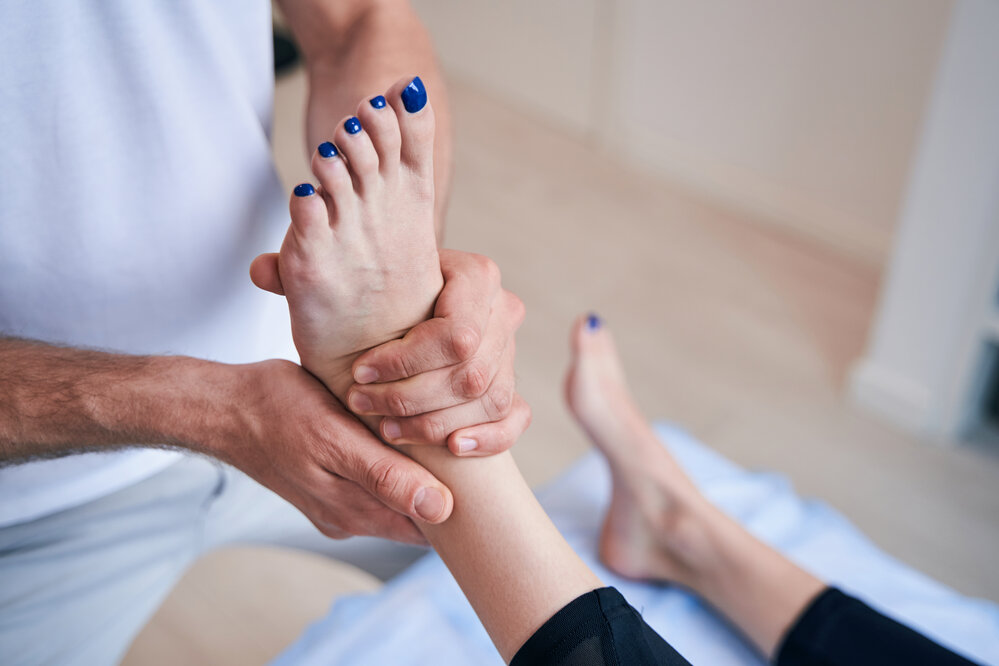
In a busy world where stress, fatigue, and everyday discomfort can affect how we feel, many people are exploring simple wellness practices that can be used without complicated equipment. Acupressure is one such traditional technique. It involves applying gentle, controlled pressure to specific points on the body and is commonly used as a complementary approach to relaxation and general well-being. From calming the mind to easing muscle tension, acupressure has gained attention as an accessible self-care practice.
What Is Acupressure?
Acupressure is a traditional healing practice that has roots in East Asian medicine. It is based on the concept that certain points on the body can be stimulated through pressure to encourage balance and relaxation. Unlike acupuncture, which uses very thin needles, acupressure relies primarily on fingers, hands, or specialized pressure tools.
During an acupressure session, pressure is generally applied to selected points using a steady or circular motion. The amount of pressure depends on the area and the person’s comfort level. The technique is often incorporated into wellness routines, massage practices, and relaxation sessions.
Although traditional explanations describe these points in terms of energy pathways, modern users may appreciate acupressure mainly as a method of focused touch, relaxation, and body awareness.
Potential Benefits of Acupressure
One of the most popular reasons people try acupressure is relaxation. Gentle pressure combined with slow breathing can encourage a calmer state and may help people unwind after a stressful day. Some individuals also use acupressure as part of their bedtime routine.
Acupressure may also be used to support comfort when dealing with everyday muscle tension. Applying pressure to areas associated with the hands, shoulders, neck, or feet can create a soothing sensation. Some people practice specific acupressure techniques for occasional headaches, nausea, tension, or general discomfort.
Another potential benefit is improved body awareness. Because acupressure involves paying attention to specific areas of the body, it can encourage people to slow down and notice physical sensations. This mindfulness component may make it a useful addition to broader relaxation and self-care habits.
However, acupressure should be considered a complementary wellness practice rather than a replacement for professional medical diagnosis or treatment. Evidence for specific health conditions varies, and results can differ from person to person.
Common Acupressure Points
Several acupressure points are frequently discussed in traditional practice. For example, the point between the thumb and index finger is commonly used in hand acupressure routines. Areas around the wrists, temples, feet, and lower legs are also traditionally associated with different wellness purposes.
When practicing at home, pressure should remain comfortable rather than painful. A person can use a fingertip or thumb to apply gentle pressure for a short period while breathing slowly. It is important to avoid pressing aggressively, especially on areas that are injured, swollen, inflamed, or unusually sensitive.
Learning the location and traditional purpose of acupressure points from a qualified practitioner can help beginners develop a safer and more informed routine.
How to Practice Acupressure Safely
Acupressure is generally intended to be gentle. Start with light pressure and gradually adjust it according to comfort. Relaxing the shoulders and maintaining slow, steady breathing can make the experience more comfortable.
People should avoid applying pressure directly over open wounds, infections, severe swelling, or areas with unexplained pain. Anyone with a significant health concern, pregnancy-related question, or ongoing symptoms should consult an appropriate healthcare professional before using acupressure as part of a wellness routine.
It is also important to recognize that persistent or severe symptoms require proper medical evaluation rather than relying solely on complementary techniques.
Acupressure as Part of a Wellness Routine
Acupressure can be incorporated into a broader healthy lifestyle that includes adequate sleep, regular physical activity, balanced nutrition, hydration, and effective stress management. A few quiet minutes of focused pressure and breathing may provide an opportunity to pause during a demanding day.
The simplicity of acupressure is one of its appealing qualities. It does not necessarily require expensive equipment, and many basic techniques can be practiced at home once a person understands how to perform them appropriately.
Conclusion
Acupressure offers a simple and traditional approach to relaxation, body awareness, and everyday comfort. By using gentle pressure on selected points, people can incorporate focused touch into their self-care routines. While it may complement healthy lifestyle practices, it should not replace professional medical care when symptoms are serious or persistent. With appropriate technique and realistic expectations, acupressure can be a calming addition to a balanced approach to personal well-being.
