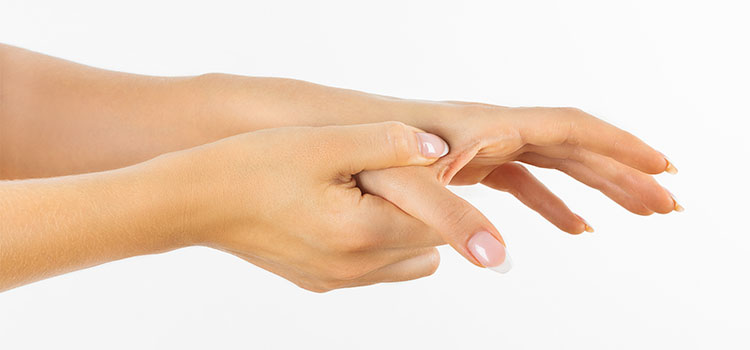
Modern lifestyles often leave people dealing with stress, tiredness, muscle tension, and difficulty finding time to relax. As interest in natural wellness practices continues to grow, acupressure has become a popular technique for promoting relaxation and supporting everyday well-being. This traditional practice uses gentle pressure on specific areas of the body and can often be incorporated into a simple self-care routine.
Acupressure does not require needles or complicated equipment, making it an accessible practice for beginners. When performed correctly and comfortably, it can provide a relaxing experience while encouraging greater awareness of the body.
Understanding How Acupressure Works
Acupressure is a traditional technique that originated within East Asian healing traditions. It involves stimulating particular points on the body by applying pressure with the fingers, thumbs, palms, or specialized tools. Traditional practitioners associate these points with pathways through which vital energy is believed to flow.
From a modern wellness perspective, acupressure can also be understood as a form of focused touch and relaxation. Applying pressure to certain areas may encourage people to slow their breathing, release tension, and pay closer attention to physical sensations.
Unlike acupuncture, acupressure does not involve inserting needles into the skin. This makes it appealing to people who prefer non-invasive relaxation techniques.
Potential Benefits of Acupressure
Acupressure is commonly used as a complementary wellness practice for relaxation and comfort. One of its best-known uses is stress management. Taking a few minutes to sit quietly, breathe slowly, and apply gentle pressure can create a calming break from daily responsibilities.
Some people also practice acupressure to support relief from occasional tension in areas such as the neck, shoulders, hands, and feet. Certain traditional pressure points are also associated with headaches, nausea, fatigue, and relaxation. However, individual experiences can vary, and research supporting specific health claims is not equally strong for every condition.
Another potential advantage is convenience. Basic acupressure techniques can often be practiced while sitting at home, during a quiet break, or before bedtime. Because the practice encourages focused attention, it may also become part of a mindfulness or relaxation routine.
Popular Acupressure Techniques
A basic acupressure routine typically begins with finding a comfortable position and relaxing the body. The practitioner then locates a traditional pressure point and uses a thumb or fingertip to apply gentle, steady pressure.
Circular massage is another commonly used method. Instead of holding the pressure in one place, the fingertip moves slowly in small circles. The pressure should feel firm but comfortable and should never cause sharp or intense pain.
Some people combine acupressure with deep breathing. Inhaling slowly through the nose and exhaling gradually while applying pressure can make the practice feel more relaxing. Beginners should start with short sessions and increase the duration only if the technique remains comfortable.
Acupressure Points Commonly Used for Relaxation
Several pressure points are frequently included in traditional acupressure routines. Points around the wrists, hands, feet, temples, and lower legs are among those commonly discussed. The area between the thumb and index finger is also widely recognized in traditional acupressure practice.
However, knowing the correct location is important. Pressure should not be applied randomly or aggressively in an attempt to produce stronger results. Learning basic point locations from a trained practitioner or reliable educational source can help beginners develop better technique.
It is also useful to remember that traditional descriptions of pressure points and modern scientific explanations are not always the same. Acupressure should therefore be approached with realistic expectations.
Tips for Practicing Acupressure at Home
Creating a peaceful environment can make an acupressure session more enjoyable. Choose a comfortable chair or quiet space where you can remain undisturbed for several minutes. Relax your shoulders, breathe naturally, and concentrate on how your body feels.
Begin with light pressure and adjust gradually. If a particular point feels painful, stop rather than increasing the pressure. Consistency and comfort are more important than using excessive force.
Acupressure can also be combined with other healthy habits. Stretching, adequate sleep, physical activity, hydration, and relaxation exercises can all contribute to overall well-being.
When to Seek Professional Guidance
Although acupressure is generally viewed as a gentle complementary practice, it is not appropriate for replacing medical care. People experiencing severe, unexplained, or persistent symptoms should seek advice from a qualified healthcare professional.
Extra care may also be necessary when pressure is being considered around injured, swollen, infected, or unusually sensitive areas. Individuals with specific medical concerns should discuss complementary therapies with their healthcare provider before beginning a new routine.
Conclusion
Acupressure provides a simple way to incorporate focused touch and relaxation into everyday life. With gentle pressure, controlled breathing, and appropriate techniques, it can become a useful part of a broader wellness routine. While it may support relaxation and everyday comfort, its benefits should be viewed realistically and as complementary to professional healthcare when needed. Practiced safely and consistently, acupressure can offer a convenient moment to slow down, reconnect with the body, and create a more balanced daily routine.
